

In today’s economy, simply saving money often isn’t enough to secure your financial future. Inflation can erode the value of your savings over time, meaning the purchasing power of your cash decreases. The key to building lasting wealth and achieving financial independence is learning how to make your money work for you. This shift in perspective transforms you from a passive saver into an active investor, leveraging the power of compounding to build a nest egg that grows even while you sleep.

1. The Mindset Shift: From Earning to Growing
One way of looking at money as a tool is realizing that it is literally, a means by which you create additional means. Instead of viewing each $1 as either “saved” or “spent”, think of all dollar bills are seeds. When you are paid for your labour, you have swapped your time for $$. The dollar bills around you are “time” as well as the value they represent; they can help liberate and multiply that same time by creating more $$$ using your time with each and every dollar you create.
2. Key Strategies for Financial Growth
Several time-tested methods exist for maximizing your financial potential — each method has varying risk and reward levels, making it important to have a mixed portfolio.
- These include the stock market investment (compounding).
Purchasing shares (or more often than not, purchasing ‘index funds’ — essentially “passively managed funds” that replicate an entire stock market like the S&P 500) gives you a fractional ownership interest in many companies.
- Growth: You will enjoy growth in your investment through the profitability of the company in which you invested and the price increases associated with share ownership.
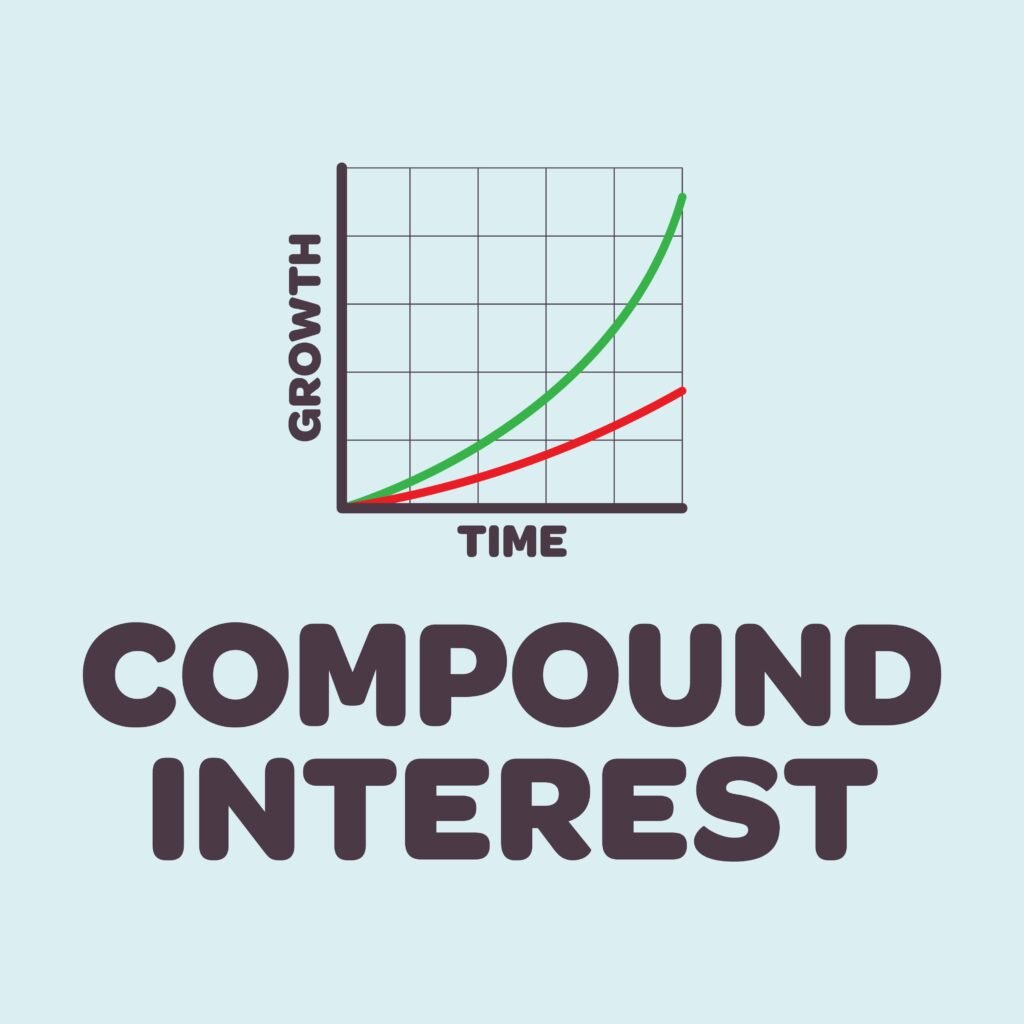
- Dividends: Certain companies pay dividends (a distribution of earnings) to shareholders, which allows you to reinvest your dividends into additional shares of the same company (the fundamental aspect of compounding).
- Real Estate (Investment Income And Growth)
Real estate can give you the ability to buy large assets through borrowing against them using a mortgage. It allows you to make money in two major ways.
Rental Income: The money collected from tenants in rent (less the cost of maintaining the property) is the source of your monthly income.
Appreciation: As time passes, the price of real estate generally increases in value.
- High-Yield Savings Accounts And Certificates Of Deposit (Guaranteed Low-Risk Growth)
Although not as growth oriented as stocks, High-Yield Savings Accounts and Certificates of Deposits (CD’s) will play a major role in your emergency funds.
They provide significantly lower risk than the stock market, and since they usually offer much higher interest rates than a regular savings account, you can be sure that your cash will retain its value.
Develop Yourself (Learn Skills).
Making an investment into your own education, skills, or business yields the greatest return on investment possible. Courses, certifications, and mentors increase your earning capacity and overall value to employers. As you gain experience, you can use what you learned to increase your net worth and your cash flow, allowing you to reinvest that money into other investments.
3. Control Spending
To successfully manage your money, you must first be aware of where that money is allocated. Throughout the course of either one week or one month, keep track of your spending while separating your needs from your wants. By eliminating unnecessary expenses and controlling daily spending habits, you’ll free up the cash flow necessary to invest more of it into savings/investments.
Key Imperatives
Develop a budget on a monthly basis
Stay away from “impulse purchases”
Cut back on the small, yet frequent, costs associated with coffee/snacks, on a daily basis; and don’t pick up (any) recurring payment subscriptions you don’t use.
4. Building an Emergency Fund
Your first investment should be your security! An unexpected event will affect everyone at some point in their lives (ex: monetary issues stemming from a medical issue/job loss or other unanticipated monetary demand), and having an emergency fund will prevent you from having to go into severe debt because of these events.
Set aside 3 to 6 months of living expenses into a secure, convenient account, so you’ll have a fallback plan.
5. Invest More, Save Less
Although maintaining a savings account can keep your funds protected, that money will not earn you any further income unless you invest that money into an investment option.
You can invest your money (to name a few):
- Money Market Funds
- Stocks
- Real Estate
- Mutual Funds
- Index Funds
- A business(es)
- Education/development(re) = Highest rate of return!
As your investments accumulate over time, if you consistently invest small amounts into them, that investment money will continue to earn “interest” (on the principal) by way of compounded earnings and can potentially generate excellent returns!
6. Create Multiple Streams of Income
Relying on one income is risky.
Building multiple income streams makes you stronger financially and gives you more freedom.
Common ways to add extra streams:
- Freelancing or online work
- Affiliate marketing
- Creating digital products
- Starting a small side business
- Renting property or equipment
- Investing in dividend-paying stocks
When you diversify your income, your money works even when you’re not working.
7. Avoid Unnecessary Debt
Good debt can help you grow — like starting a business or buying property — but bad debt slows your progress.
High-interest loans, credit card balances, and borrowing for non-essentials drain your wealth.
If you have debt, plan to pay it off step by step.
The Final Step: Automate and Stay Consistent
The key to making your money work for you is automation and consistency. Set up an automatic transfer to your investment account and your savings account the day you are paid. This way, you’ll always have money available to invest, regardless of when it is deposited into your bank account. By automating your contributions and creating a long-term view of building wealth, you will learn how to make your money work for you and put you on the road to true wealth.

Recommendation
- learn history of money.
- Essential Information About Good Debt and Bad Debt
- The Psychology of Money
- Manage Your Money
- 5 tips of high income skills You Can Learn Online